
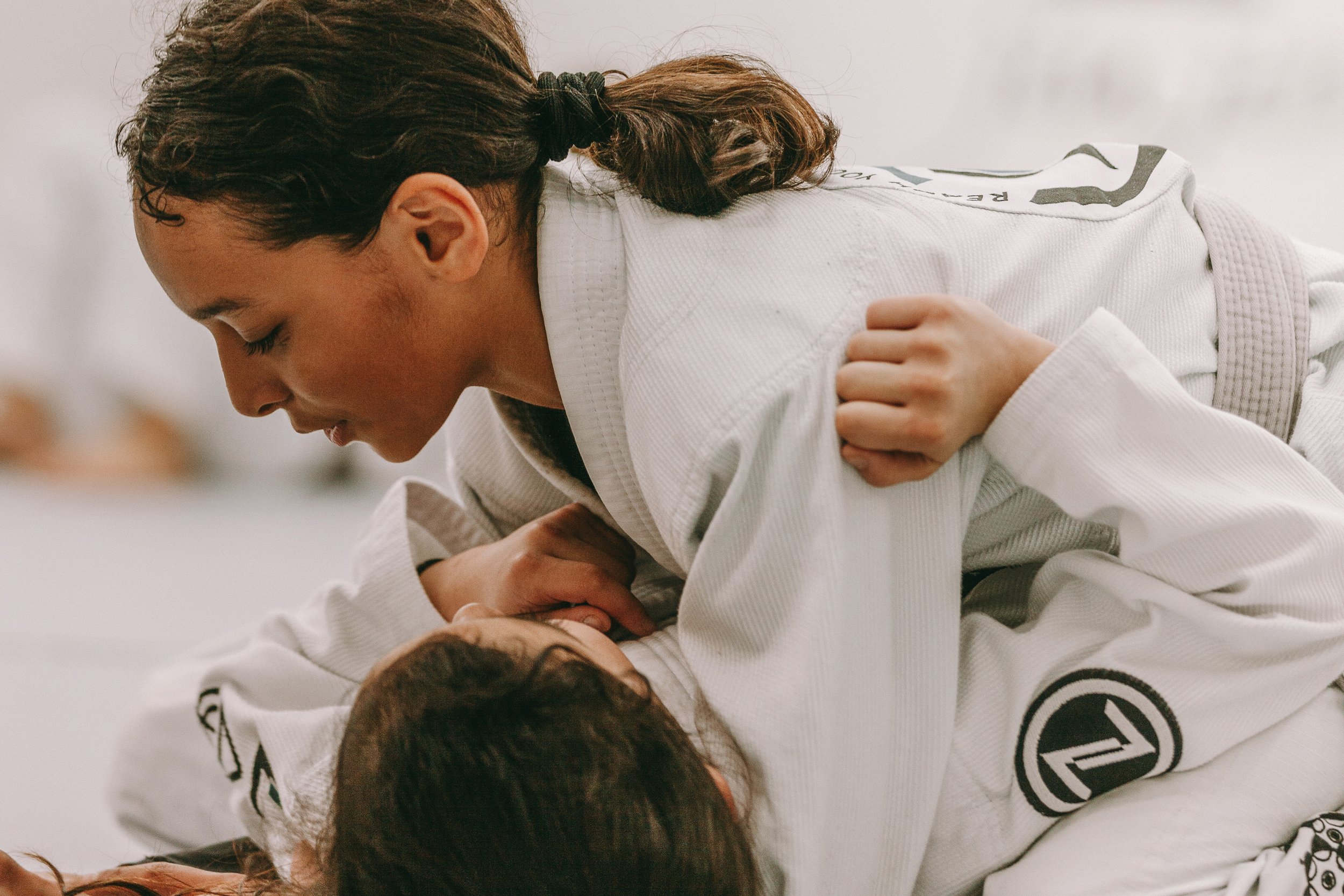
Kids Jiu Jitsu and Emotional Maturity: Teaching Ownership Without Shame
Kids often say “It’s not fair” when they feel frustrated, embarrassed, or outmatched in training. This week is about teaching accountability without shame: separating safety concerns from normal frustration, validating feelings without endorsing blame, and helping kids choose a respectful next step they can control. Inspired by Raising Mentally Strong Kids, this week uses kids Jiu Jitsu as a practical place to practice ownership, repair, and emotional maturity. A simple question for home is, “What was the tough moment, and what did you do next?”
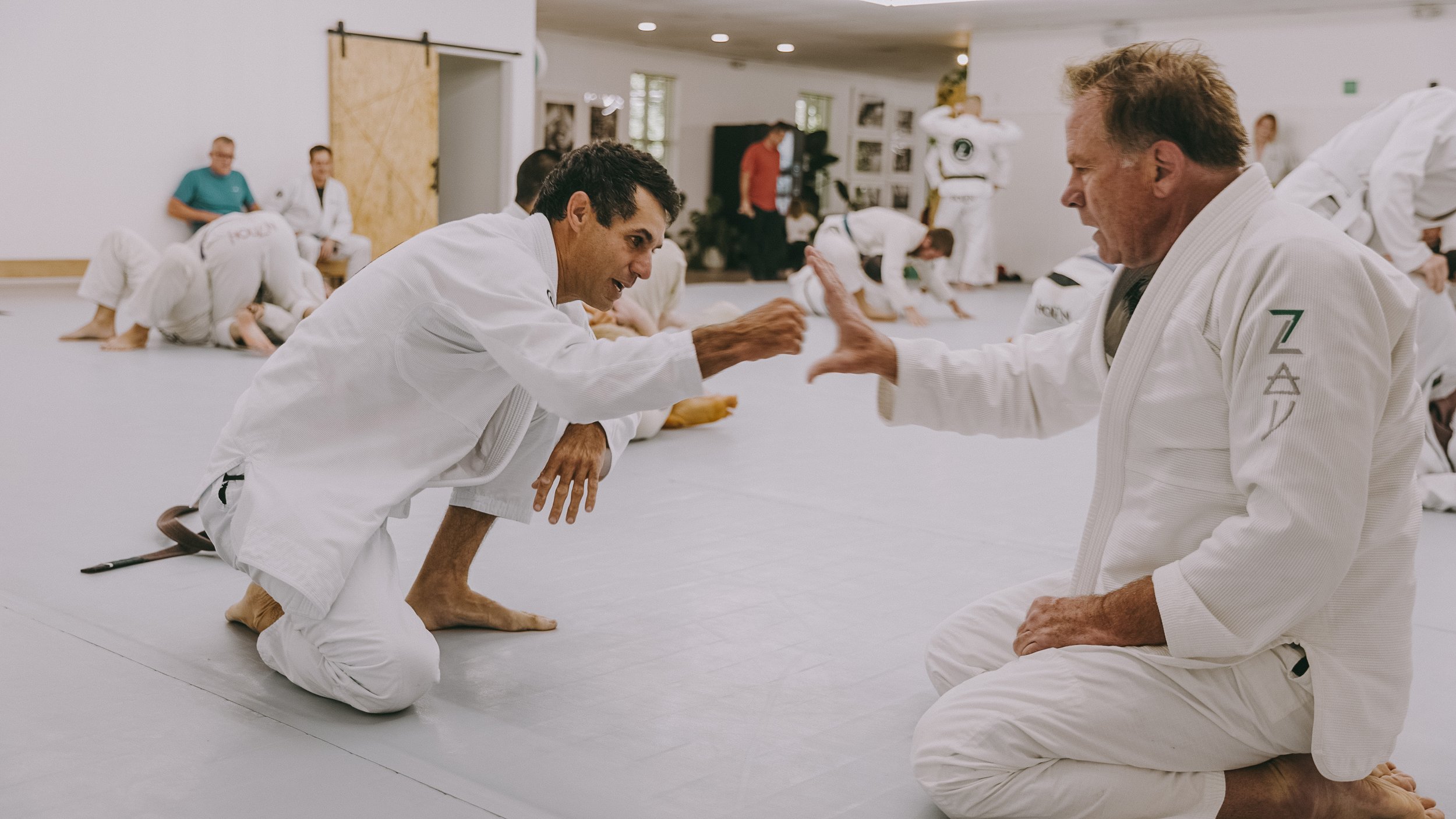
Augie Moss: From Royce Gracie VHS Tapes to Real Confidence on the Mat
Augie Moss started jiu jitsu in 1999 in a Chicago high school after watching old VHS tapes of Royce Gracie. Seeing a skinny guy beat bigger opponents felt like magic—and he’s been chasing that kind of earned confidence ever since. Now a brown belt and a two-year student at Houzn Jiu Jitsu Academy in Mount Pleasant, SC, Augie still gets nervous sometimes… and still shows up. In this story, he shares why Houzn is a great place to start, what Brazilian Jiu Jitsu changed in his life, and why fundamentals always win. Want to try? Book a trial class.
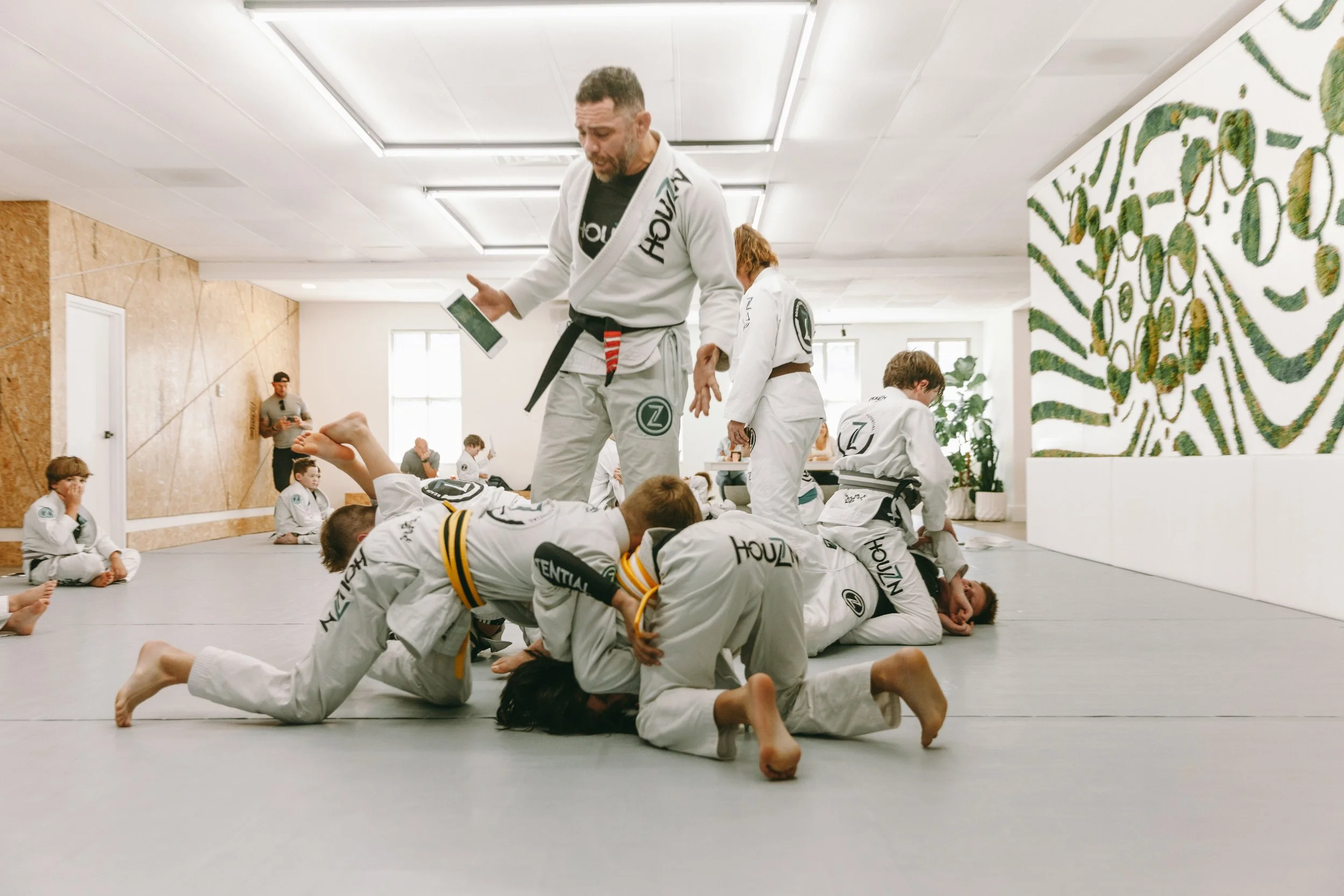
When Your Child Melts Down After Class: A Better Way to Teach Recovery
A tough moment in kids Jiu Jitsu can turn into a spiral if a child doesn’t have a reliable reset. This week’s post is about teaching bounce back skills: calming the body, separating a hard moment from “I’m bad,” and choosing one small next step to re-engage. Inspired by Raising Mentally Strong Kids, this week shows how Brazilian Jiu Jitsu for kids creates safe, repeatable chances to practice recovery after mistakes. If your child gets frustrated or wants to quit after a rough class, a simple reset routine and one “first job” can make training feel manageable again.
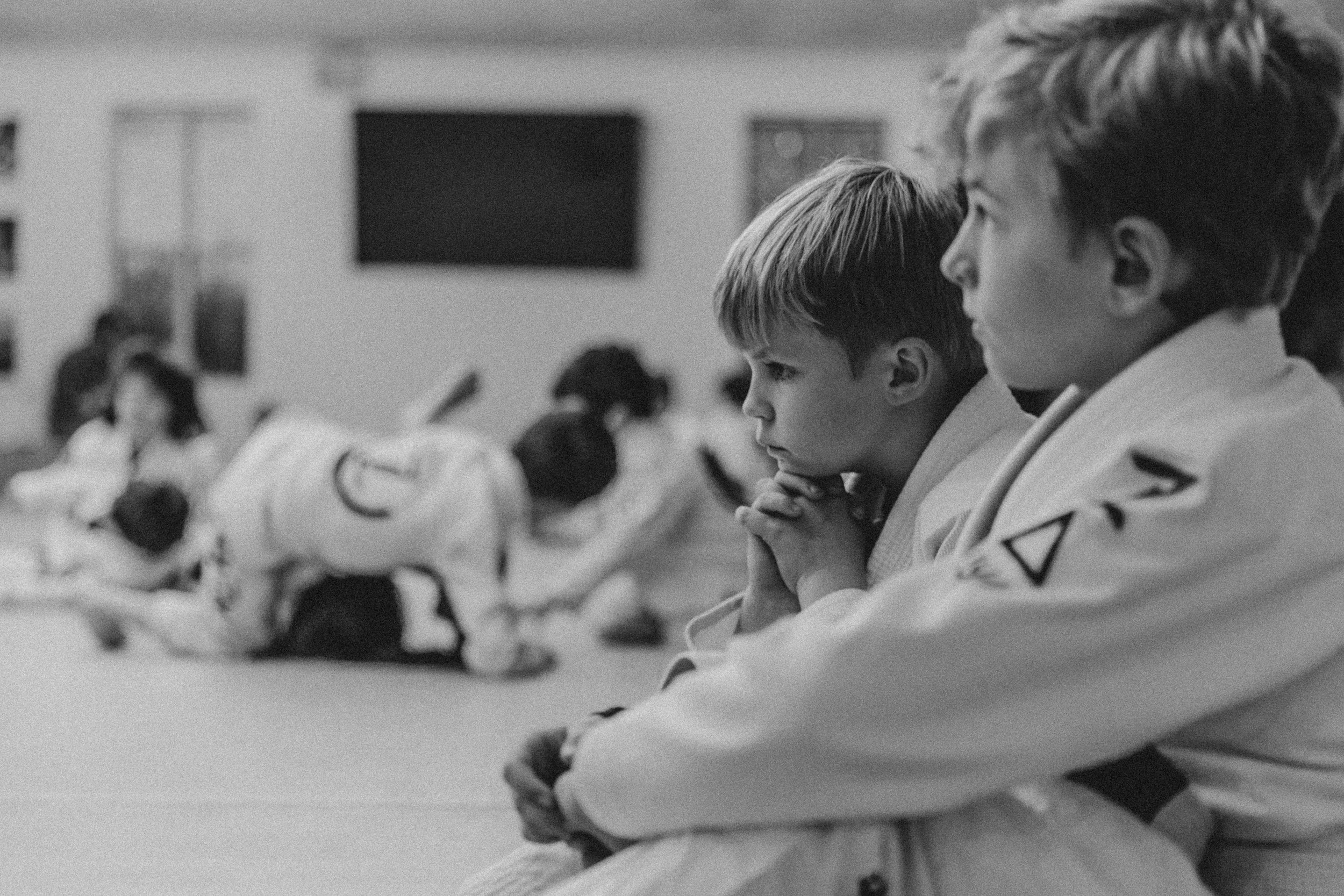
How Jiu Jitsu Teaches Kids Problem-Solving (Without Parents Taking Over)
When kids hit a hard moment in Jiu Jitsu, many immediately want an adult to fix it. This week’s blog post from Houzn Jiu Jitsu Academy in Mount Pleasant, SC focuses on a better path: help kids solve small problems with support, not pressure or rescue. Inspired by Raising Mentally Strong Kids (Amen and Fay), this article explains how Brazilian Jiu Jitsu for kids builds responsibility through repeatable challenges—getting stuck, resetting, trying again, and asking better questions. You’ll also learn what to say after class so your child stays engaged and gains earned confidence over time.
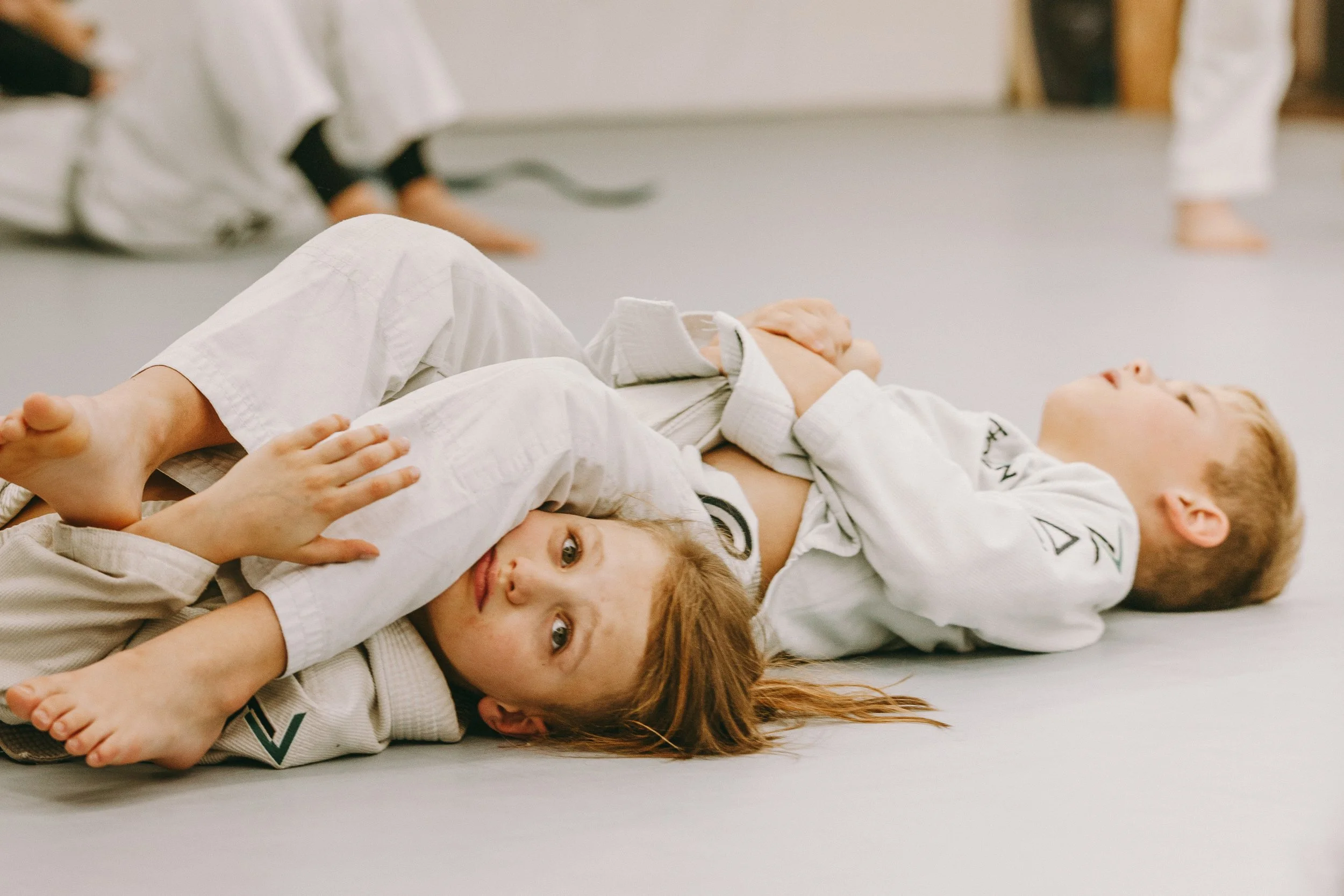
What Parents Can Do When a Child Gets Overwhelmed in Brazilian Jiu Jitsu
A tough kids Jiu Jitsu class can leave a child overwhelmed, frustrated, or saying they “forgot everything.” This week’s article from Houzn Jiu Jitsu Academy in Mount Pleasant, SC explains why stress shows up in the body first—and why kids often need to calm down before they can learn from what happened. Using practical ideas from Raising Mentally Strong Kids (Amen and Fay), we share how Jiu Jitsu can be a tool to practice reset skills like breathing, pausing, and trying one small next step. The goal isn’t perfect emotions—it’s a steadier return to learning.
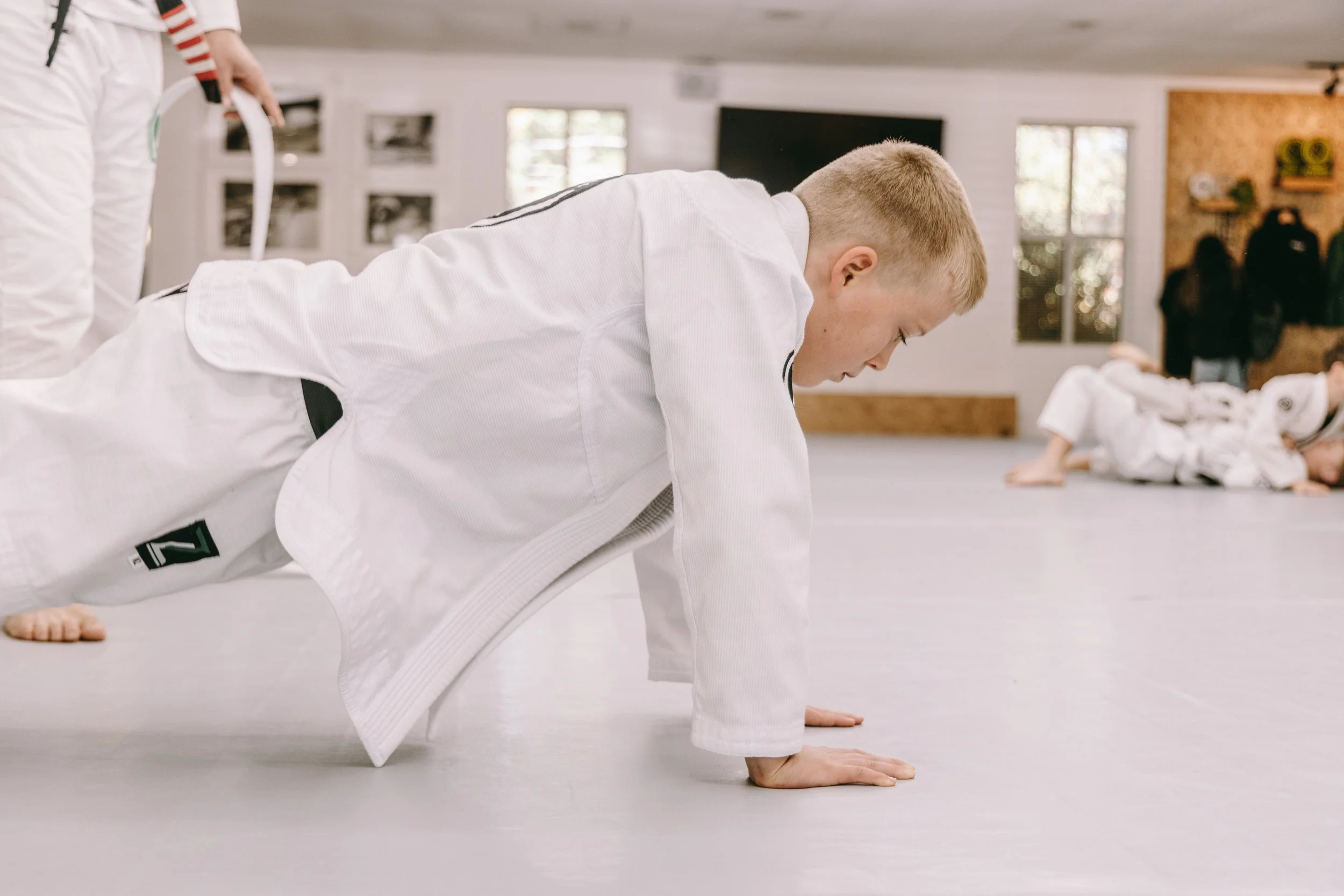
What Should Parents Praise in Kids Jiu Jitsu? Effort, Not Outcomes
When kids say they’re “bad at Jiu Jitsu,” they’re often reacting to outcomes they can’t fully control—like getting tapped or losing a round. This article from Houzn Jiu Jitsu Academy in Mount Pleasant, SC explains a better approach: praise effort, attention, and follow-through. Using practical ideas from Raising Mentally Strong Kids (Amen and Fay), we share how focusing on controllables helps kids build earned confidence without added pressure. You’ll also learn what to say after class and what progress may look like at home, even during tough weeks.

Why Does My Child Say They’re Bad at Jiu Jitsu?
When a child says they’re bad at Jiu Jitsu, one difficult moment may be shaping their view of the whole class. Houzn Jiu Jitsu Academy in Mount Pleasant, SC explores how parents can acknowledge disappointment while helping children describe challenges more accurately. Drawing on the approved parenting ideas from Raising Mentally Strong Kids, this article explains why remembering a technique and applying it against resistance are different demands. The goal isn’t forced positivity. It’s a clearer understanding of what needs practice, what support may help, and why one unsuccessful attempt does not define a child’s ability to learn.

How to Tell If Your Child Is Improving in Jiu Jitsu—Beyond Belts and Stripes
How can you tell whether your child is improving in Jiu Jitsu when their belt hasn’t changed? Look for specific signs: remembering a starting position, applying a correction, asking for help, or practicing with more control. This week, Houzn Jiu Jitsu Academy in Mount Pleasant, SC looks at progress beyond stripes and round outcomes. Drawing on the practical parenting ideas in Raising Mentally Strong Kids, we explain why developing real abilities matters—and how parents can recognize learning without evaluating every class. Start by noticing one small improvement, or ask an instructor which skill is becoming more consistent for your child.

Kids Jiu Jitsu Progress After 4 Months: What to Expect Next
Around months 3–4, kids often shift from “just surviving class” to building real habits and confidence. This post from Houzn Jiu Jitsu Academy in Mount Pleasant, SC (serving Charleston families) explains what progress typically looks like by this stage, why motivation can fluctuate, and how parents can help kids set simple goals that keep training positive. You’ll also learn what the next phase of Brazilian Jiu Jitsu for kids focuses on: fundamentals under pressure, safe intensity, and consistent routines.

Meet Van Barnhill: Black Belt, Pastor, and Still a Student of Jiu Jitsu
Van Barnhill’s first Jiu Jitsu class left him with a question: “What is going on?” After tapping at least five times in five minutes, he wanted to learn more. Eleven years later, the black belt, Mount Pleasant pastor, husband, and father of two is still finding joy in learning. Meet a Houzn Jiu Jitsu Academy teammate whose story connects humility, consistency, friendship, and fun. Whether you’re already training or considering your first Brazilian Jiu Jitsu class, get to know Van—and discover why he keeps coming back. Explore Houzn and book a trial class at https://www.houznjiujitsu.academy/.

Kids Jiu Jitsu Leadership: How Training Builds Good Teammates
Leadership in Kids Jiu Jitsu isn’t about dominance—it’s about responsibility and being a good teammate. In Brazilian Jiu Jitsu for kids, students learn to partner safely, welcome new classmates, handle wins and losses with maturity, and set a positive tone in class. This post from Houzn Jiu Jitsu Academy in Mount Pleasant, SC (serving Charleston families) explains how coaches develop leadership across ages, what parents can look for, and how leadership shows up at home and school.

Kids Jiu Jitsu Progress: Why Consistency Matters More Than Talent
Progress in Kids Jiu Jitsu is rarely linear. The children who improve the most long-term are usually the ones who show up consistently, learn from mistakes, and keep going through slow seasons. This post from Houzn Jiu Jitsu Academy in Mount Pleasant, SC (serving Charleston families) explains why consistency beats talent, what parents should expect at different stages, and how stripes and promotions should reflect habits and skill application—not just time.

Kids Jiu Jitsu and Bullying: What Parents Need to Know
Parents want their child to be safe and confident around bullying—but they don’t want to create aggression. Kids Jiu Jitsu can help by building calm confidence, clear boundaries, and basic safety skills. This post from Houzn Jiu Jitsu Academy in Mount Pleasant, SC (serving Charleston families) explains what Brazilian Jiu Jitsu for kids does (and does not) teach about bullying, why “voice and exit” comes first, and how to talk to your child about conflict in a way that supports safety and responsibility.

Kids Jiu Jitsu and Emotional Regulation: Calm Under Pressure
Calm isn’t just temperament—it’s a trained skill. In Kids Jiu Jitsu, children learn to regulate their emotions and body under pressure by breathing, staying safe, and solving problems one step at a time. This post from Houzn Jiu Jitsu Academy in Mount Pleasant, SC (serving Charleston families) explains how Brazilian Jiu Jitsu for kids builds self-control, why “panic” is a normal first reaction, and how parents can support the same calm-down habits at home.

Brazilian Jiu Jitsu for Kids: Handling Failure and Frustration the Right Way
Resilience isn’t built by always winning—it’s built by learning how to lose well and try again. In Kids Jiu Jitsu, children practice “tap, reset, and learn,” which teaches emotional control, safety, and persistence. This post from Houzn Jiu Jitsu Academy in Mount Pleasant, SC (serving Charleston families) explains why failure is part of training, how coaches help kids handle frustration, and what parents can watch for at home as their child learns calm recovery after setbacks.

Kids Jiu Jitsu Builds Listening Skills: Following Directions Under Pressure
Listening isn’t just a behavior—it’s a skill, especially for kids. In Brazilian Jiu Jitsu for kids, children practice following directions while they’re excited, tired, or frustrated. That’s why good Kids Jiu Jitsu classes repeat fundamentals: repetition turns “thinking” into calm, automatic skill. This post from Houzn Jiu Jitsu Academy in Mount Pleasant, SC (serving Charleston families) explains how Jiu Jitsu builds attention and coachability, what parents can look for at home, and how to support growth without turning training into pressure.

Brazilian Jiu Jitsu for Kids: A Safe Outlet That Builds Focus
Kids Jiu Jitsu is more than exercise. It’s a structured way for children to release energy and learn self-control at the same time. In this post from Houzn Jiu Jitsu Academy in Mount Pleasant, SC (serving Charleston families), we explain how Brazilian Jiu Jitsu for kids helps with nervous system regulation, focus, and healthy fatigue—especially for high-energy kids or kids who struggle with transitions. You’ll learn what coaches are really teaching when we say “control,” and what parents can watch for at home.

From Sidelines to the Mat: Trey Harrell on Family, Fitness, and Jiu Jitsu
Trey Harrell joined Houzn Jiu Jitsu Academy after his son Ford started training in early 2025. As a Charleston auto accident attorney and community-focused leader behind “Trey Helps,” Trey knows consistency matters—but he’ll also tell you the hardest part of Brazilian Jiu Jitsu is simply stepping on the mat as a beginner. His mindset is simple: “your job as a white belt is just to survive,” and small wins add up. Now training alongside Ford and his daughter Lucy, Trey’s building fitness, confidence, and family momentum—one class at a time. Learn more at treyhelps.com.

Kids Jiu Jitsu for Shy or Unathletic Kids
Not every child feels at home in traditional sports. The good news is that kids jiu jitsu often works especially well for shy, uncoordinated, or “not sporty” kids—because progress comes from listening, problem-solving, and steady repetition, not just raw athleticism. In this post from Houzn Jiu Jitsu Academy in Mount Pleasant, SC (serving Charleston families), we explain why late bloomers thrive in Brazilian Jiu Jitsu for kids, what progress looks like early on, and how parents can support the long learning curve without comparing their child to others.

Respect in Kids Jiu Jitsu: What It Really Means
Respect in Kids Jiu Jitsu is more than manners. It’s being a safe partner, listening to coaching, and controlling your body even when you’re excited or frustrated. This post from Houzn Jiu Jitsu Academy in Mount Pleasant, SC (serving Charleston families) explains how Brazilian Jiu Jitsu for kids builds real respect through partner work, boundaries, and coached intensity. You’ll learn what coaches look for, how stripes and promotions connect to behavior, and how parents can spot respect showing up at home with siblings, classmates, and adults.