Kids Jiu Jitsu and Bullying: What Parents Need to Know
Bullying is emotional, social, and sometimes physical, and parents are right to take it seriously. Most of the time, what families want isn’t a tougher kid. They want a child who feels safe walking into school and knows what to do when someone starts testing them. They want their kid to stop dreading lunch, recess, the bus line, or that one stretch of hallway where things keep happening.
We’ve also learned that when parents start searching for “kids self-defense” or “kids jiu jitsu near me,” they’re usually not chasing a trend. They’re looking for a plan. And they’re looking for adults who will take the problem seriously without turning their child into someone they don’t recognize.
The phrase “self-defense” can get messy, especially when people treat it like a simple message: “hit back.” That’s not what we teach, and it’s also not realistic for how school situations actually unfold. Kids live in a world of rules, teachers, cameras, zero-tolerance policies, and social dynamics that can flip the story fast. What they need is a response that protects them, keeps them as safe as possible, and helps them make decisions they can live with afterward.
At Houzn Jiu Jitsu Academy in Mount Pleasant, we focus on bully-resistance. That means building the skills and habits that reduce the chance of being targeted, and improving your child’s response if something does happen. It’s not about turning kids into aggressors. It’s about helping them carry themselves with calm confidence and make good decisions under stress. We want them to have a backbone and a conscience at the same time.
The rule in our kids program is simple: you don’t start it. You try your voice, you create space, you get to an adult. But if someone touches you or won’t let you leave, you have a God-given right to defend yourself. We teach Jiu Jitsu so they can protect themselves, get free, and get to safety without losing control.
That last part matters. “Defend yourself” doesn’t mean “lose your mind.” It doesn’t mean payback. It doesn’t mean chasing someone down after the fact. It means protecting your body and getting away. When kids have that definition in their head, they’re far less likely to freeze, and they’re also far less likely to overreact.
A lot of bullying starts well before anyone throws a punch. Most of it is probing. It’s a kid seeing who they can move, embarrass, control, or isolate. That’s why we start with posture and presence. Kids who look unsure, who fold their shoulders, who avoid eye contact, or who seem isolated are often easier to target. We help kids stand taller, move with purpose, and feel comfortable taking up their space. Not to look “tough,” but to look confident and aware. When a child looks like they belong, many problems fade before they begin.
Presence isn’t an act. It’s a trained skill. When a child can keep their balance, step back without tripping, and move away safely without panicking, they come across as capable. That doesn’t guarantee no one will bother them, but it often discourages the kid who’s looking for an easy target.
The next piece is voice. We practice using clear, direct words that a child can actually remember when they’re nervous. “Stop.” “Back up.” “Don’t touch me.” “Leave me alone.” The goal is not to trade insults or prove who’s tougher. The goal is to set a boundary in a way that’s easy for adults nearby to understand. A steady voice also helps your child stay out of the emotional spiral that bullies often try to create.
Most kids don’t struggle because they don’t know what they should say. They struggle because their body floods with adrenaline and their brain goes blank. That’s why we practice. The same way we drill a technical stand-up until it’s automatic, we want the first few seconds of a bullying situation to be automatic too. Clear voice. Strong posture. Move to safety.
Awareness is part of bully-resistance as well. Kids don’t need to be paranoid, but they do need to be smart about position and environment. We encourage them to stay near groups, avoid being isolated, and move toward safe spaces when something feels off. If a child is being bothered, the best time to make a safer choice is early, before things escalate.
This is one of the biggest differences between movies and real life. In real life, the “fight” often begins with positioning. Who is near you? Where are the exits? Are you getting steered toward a corner? Is someone blocking your path? In Jiu Jitsu, we call this understanding space and pressure. When kids learn that on the mats, they start noticing it off the mats too.
Boundaries are where verbal skills meet physical reality. Sometimes bullying looks like “joking,” but it includes grabbing a backpack, pulling a hoodie, poking, blocking someone from walking away, or putting a hand on a shoulder to steer them. We teach kids that unwanted contact is a real line. They should use their voice, create distance, and get help. If someone keeps touching them or stops them from leaving, that’s when self-defense becomes relevant.
This is also where parents appreciate a straightforward philosophy. You don’t need your child to be confused about whether they’re allowed to protect themselves. At the same time, you don’t want them using force for social problems that require adult intervention. The line we teach is simple: words first, distance second, adults early, and physical defense only when someone is putting hands on you or trapping you.
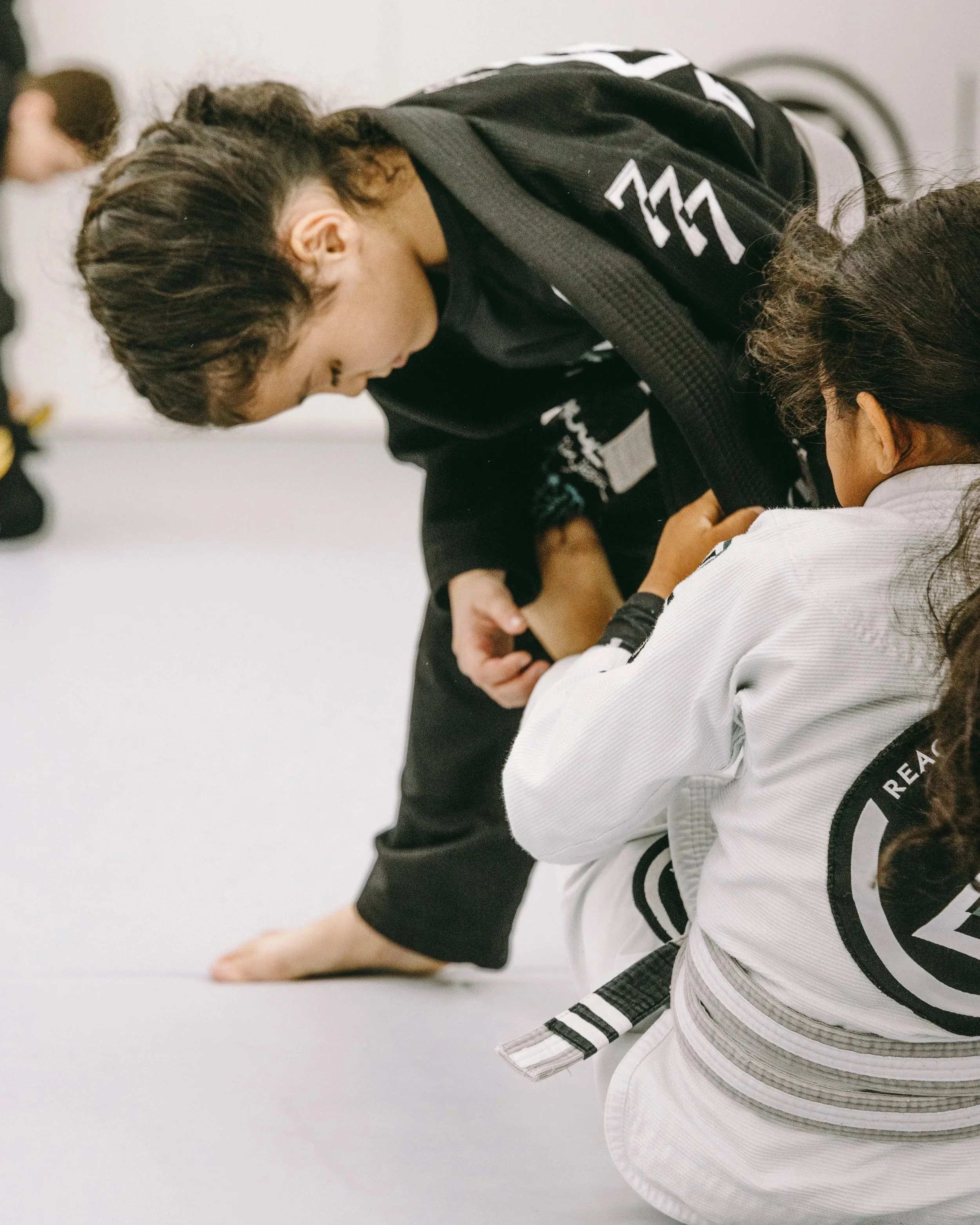
Jiu Jitsu is uniquely helpful here because it teaches control, balance, and escapes. Instead of relying on anger or wild swings, kids learn how to break grips, regain their base, and create space. The goal isn’t to “win a fight.” The goal is to get free, get away, and get to an adult. That mindset keeps kids safer physically and legally, and it fits the reality of most school environments.
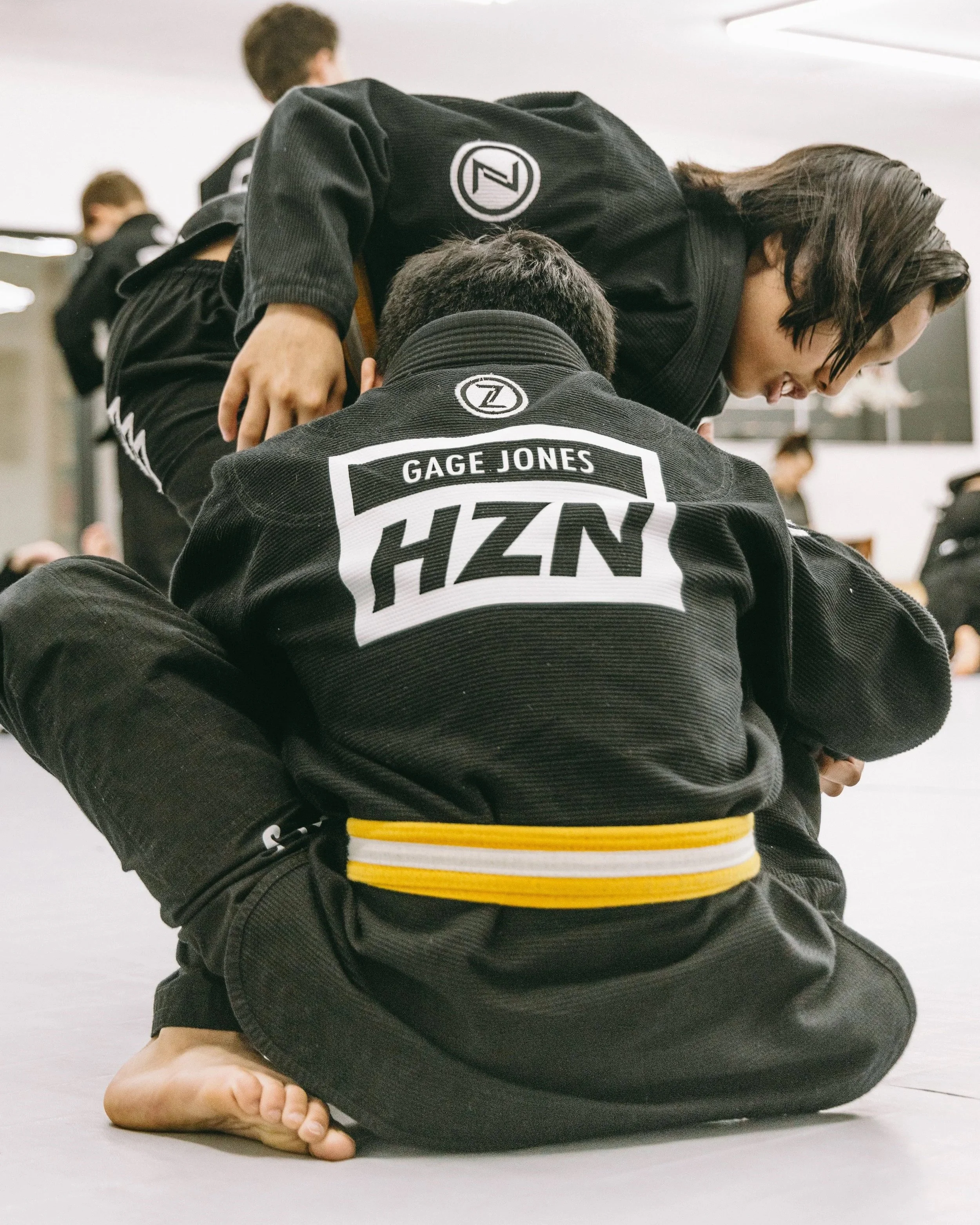
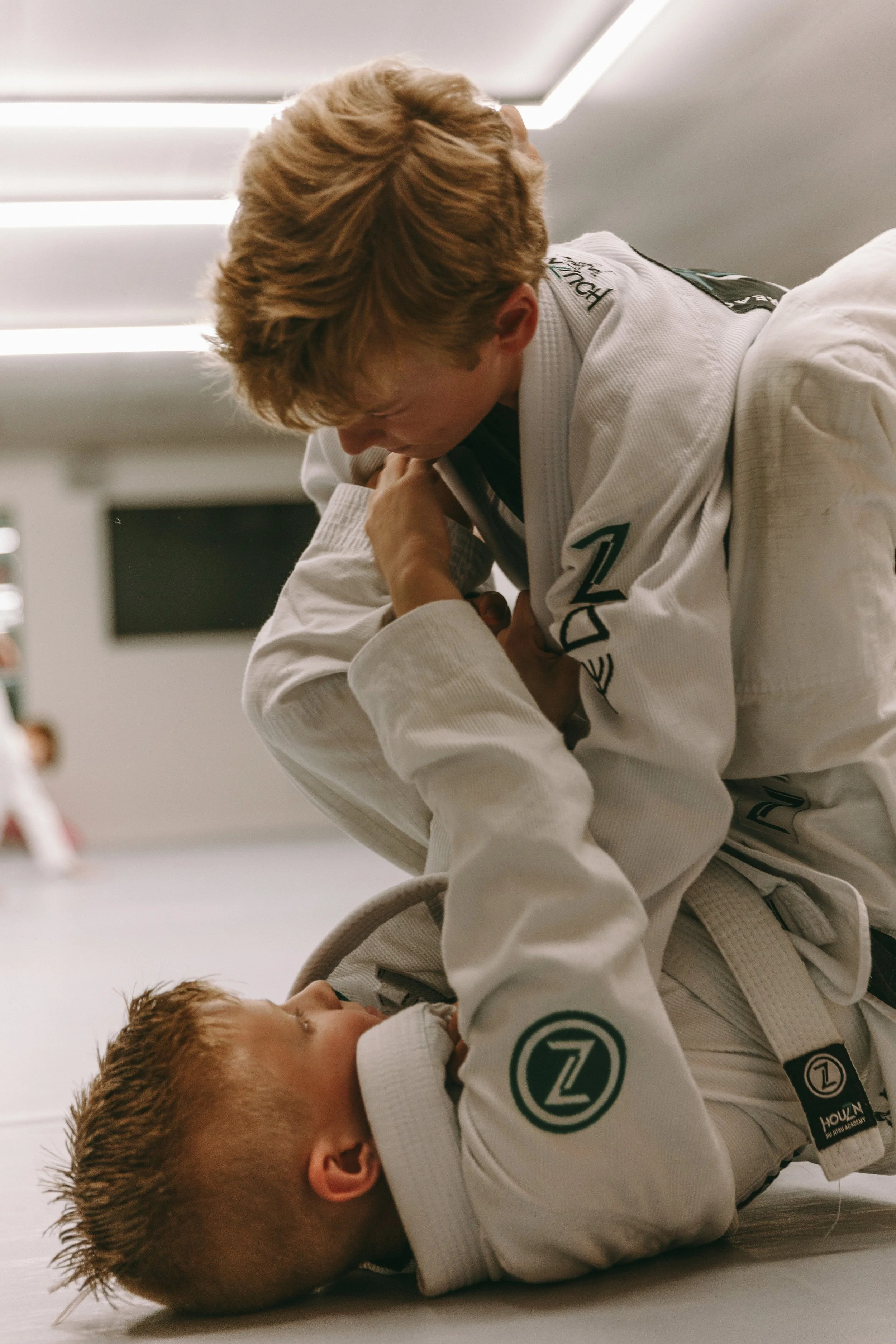
In a typical kids class, we might work on how to deal with a wrist grab, how to pull your arm back without yanking against the strongest part of the grip, how to turn your body so you’re not being dragged, and how to get your feet under you. We teach them to protect their head if they fall and to stand back up without giving someone an easy chance to jump on them. Those are boring-sounding skills until you’ve seen a child use them to avoid being controlled.
People sometimes ask why we don’t just teach striking for bullying. The answer is simple: striking is harder to control under stress, and it escalates quickly. Grappling gives kids more options to create space, break contact, and get out. It’s also easier to teach the difference between necessary force and excessive force. Jiu Jitsu has built-in brakes if it’s taught the right way.
That brings us to restraint, which is a core part of our culture. Tapping culture teaches kids to stop the moment a partner signals. Partner training teaches respect. Coached rounds teach kids how to stay calm under pressure and solve problems without panicking. Over time, kids learn they can handle a tough moment without needing to be mean.
When kids train, they learn something that’s hard to teach with words: power is a responsibility. If you can control someone, you don’t need to hurt them to prove a point. That idea alone prevents a lot of bad decisions. We want kids who are confident, not reckless. Capable, not cruel.
Jiu Jitsu also helps with the emotional side of bullying, because bullying isn’t just about bruises. It’s about nervous systems. It’s about kids who live on edge waiting for the next comment, the next shove, the next group laugh. Training gives them a place where pressure is normal and manageable. They get used to being uncomfortable and staying calm. That’s a life skill, not just a martial arts skill.
It’s also why we care so much about the room culture. A kids program can’t be chaos. It has to be structured and supervised. It has to teach respect in a way kids can feel, not just repeat. Our mission is bigger than technique. We’re building a community based on morality, truth, and personal responsibility. That shows up in how we correct behavior, how we pair kids up, and how we talk about what Jiu Jitsu is for.
Now, a practical note for parents: not every hard moment at school is “bullying.” Kids argue. Friendships shift. Someone says something rude. Those moments still matter, but they often require social coaching, not self-defense. Bullying is usually repeated behavior, a power imbalance, and a pattern that makes your child feel trapped. If you’re unsure which one you’re dealing with, start by listening for patterns. Is it the same kid? Same group? Same setting? Same time of day? Is your child changing their behavior to avoid it?
When you talk to your child, keep it simple and repeatable. Ask questions that help them think in order, not in emotion. “What did you say?” “Did you try to leave?” “Where was the teacher?” “Did they touch you?” “Did they block you?” Those details matter. They also help you communicate clearly with the school.
A good basic plan is: use your voice, leave and get to safety, tell a trusted adult. And if someone grabs you or won’t let you leave, get free and get away. The order matters. We want your child’s default setting to be prevention and exit, not escalation. But we also want them to know, deep down, that if someone puts hands on them, they’re allowed to protect themselves.
If your child is shy or freezes, practice is everything. Practice saying “Stop” out loud at home. Practice turning and walking toward an adult. Practice not explaining or debating. Bullies often want a conversation because a conversation gives them control. Your child doesn’t owe them that. They owe themselves safety.
If your child is reactive, the practice looks a little different. You’re working on a pause. A breath. A first step that isn’t a swing. That’s where Jiu Jitsu helps because it gives them a place to feel intensity and still choose control. We coach that explicitly. We praise restraint. We correct ego. We reward discipline.
Some parents also worry about school consequences. That’s real. Every school handles things differently, and no blog post can promise a perfect outcome. What we can do is teach your child responses that are easier to justify: clear verbal warnings, visible attempts to leave, and defensive actions that create space rather than cause damage. We can also help you build the language your child can use with a teacher afterward: “I told him to stop. I tried to leave. He grabbed me. I got free and went to you.” Simple. Honest. Clean.
If you’re local to Mount Pleasant and you’re reading this because bullying is on your mind, you’re not alone. We’ve had families come in with quiet concerns and families come in after serious incidents. In both cases, the path forward looks similar: train the body, train the mind, and train the decision-making.
If you want a clear script that fits your child’s age and personality, grab your kids coach after class or ask for a conference. We’ll keep it practical, responsible, and aligned with what you want for your child: confidence, safety, and self-control. We’ll also tell you the truth about what we’re seeing on the mats, because that matters too. Sometimes a child needs more assertiveness. Sometimes they need more restraint. Sometimes they need better friends and more adult support. We’ll help you sort it out.
Jiu Jitsu won’t fix every social problem. But it can change how your child walks through the world. It can make them harder to intimidate, calmer under pressure, and more capable of protecting themselves if someone crosses the line. That’s bully-resistance, and it’s one of the most valuable things we teach.