
Kids’ Jiu Jitsu is supposed to be fun and developmental, but it’s also challenging. A child can go from excited to frustrated quickly—especially when they feel stuck, tired, or embarrassed. When that happens, many parents wonder what they should say in the moment. Do you push them to be tougher? Do you tell them it’s fine? Do you give a pep talk?
A steadier approach is to start with this: stress shows up in the body, and kids often need help calming their bodies before they can reflect, problem-solve, or learn from what happened.
In our parent series based on Raising Mentally Strong Kids by Daniel G. Amen and Charles Fay, this week’s theme is regulation—helping kids settle themselves so their best thinking can return. Jiu Jitsu can be a tool to practice and reinforce this because the mats provide small, repeatable moments of pressure that are still supervised and safe.
Why kids “forget everything” when they’re stressed
Parents sometimes say, “They know this move at home,” or “They did it last week—why can’t they do it now?”
In Brazilian Jiu Jitsu for kids, stress changes the situation. During a drill, a child can move step-by-step with time to think. During a round, they’re managing contact, balance, noise, other kids moving nearby, and the feeling of being pinned or stuck. If they’re tired or already discouraged, that stress stacks up fast.
Under stress, children often do one of three things: they rush, they freeze, or they quit mentally. None of those responses mean your child is lazy or “not built for this.” They usually mean the body is activated, and the child doesn’t yet have a reliable reset skill.
The good news is that calm is a trainable skill. It doesn’t require a perfect temperament. It requires repetition and guidance.
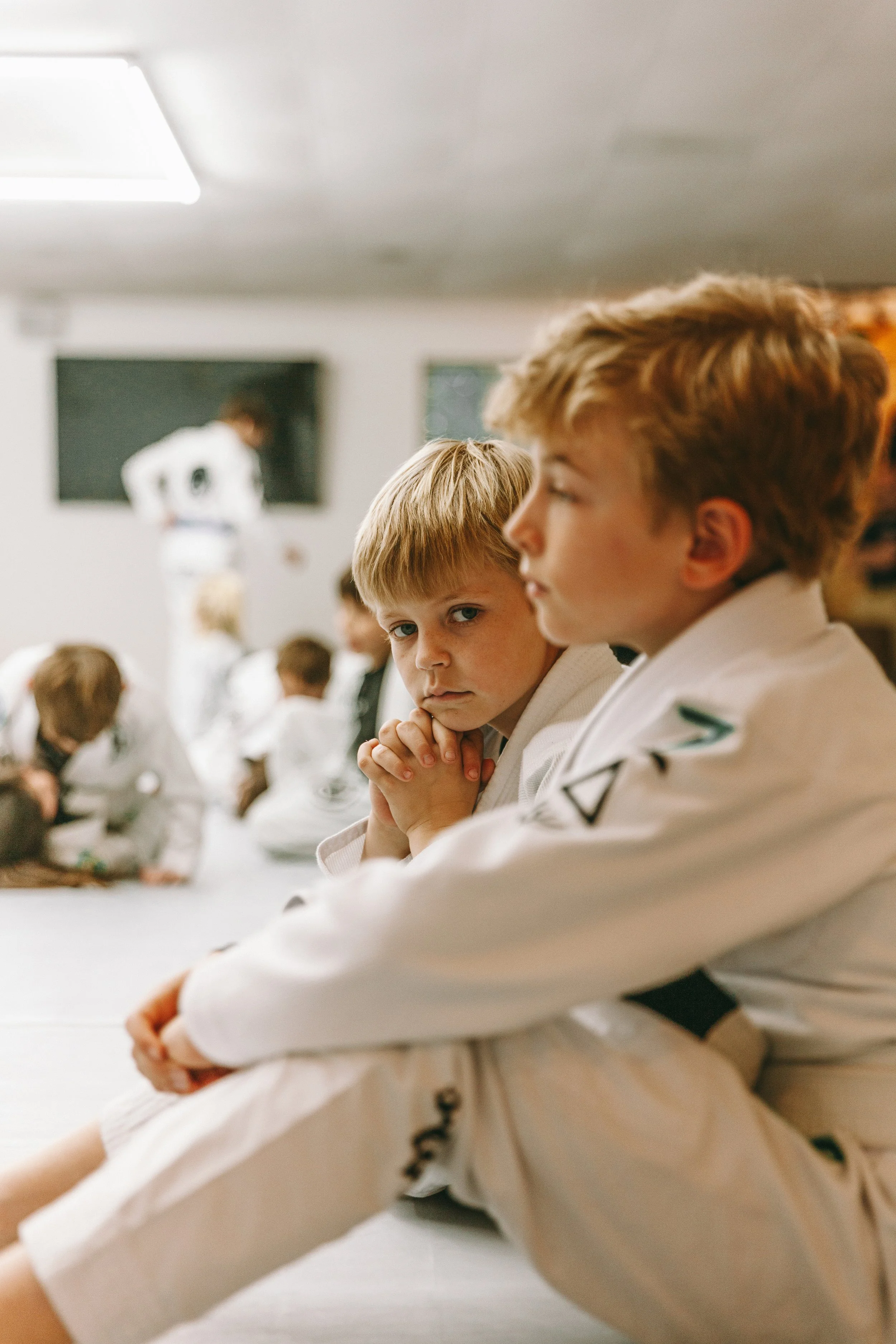
What “resetting” looks like in a kids class
At Houzn Jiu Jitsu Academy in Mount Pleasant, SC, we don’t expect kids to regulate perfectly. We coach it like any other skill.
Resetting can be as simple as a child pausing, taking a breath, relaxing their shoulders, and trying again with one small goal. It can also be asking for clarification instead of panicking. It can be accepting a tough moment, tapping when needed, and re-entering without spiraling.
From a coaching standpoint, a reset usually includes three things.
First, we slow the moment down. That can mean stopping the round briefly, changing partners, or having a child sit out for a short reset if they’re overwhelmed.
Second, we simplify the next step. A stressed child can’t hold five instructions in their mind. We give one clear focus: “Frame and breathe,” or “Find your guard,” or “Get to your knees.”
Third, we reinforce the re-engagement. The win isn’t “never getting upset.” The win is calming enough to return to practice safely.
This is one way Jiu Jitsu can serve the ideas in the book: kids practice managing themselves in a setting where the stakes are low, feedback is immediate, and adults can guide them.
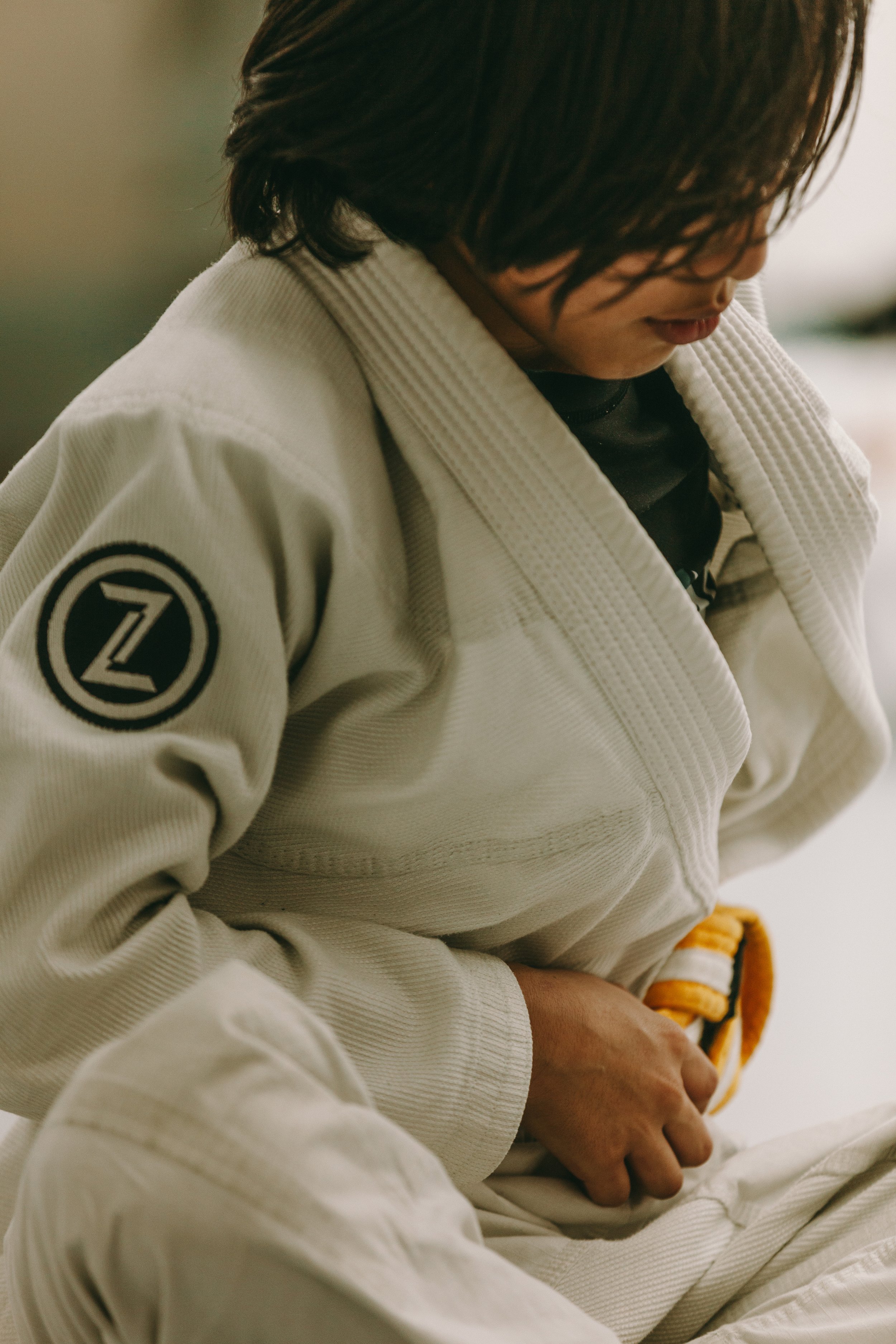
What parents can do right after class
Many parents want the car ride home to be a supportive moment, but it can easily become a review session. For some kids, questions like “Did you behave?” or “Did you do what coach said?” feel like a test—especially if they already had a hard day.
A better starting point is to check the body first.
If your child looks wound up or shut down, consider a quiet two-minute buffer before you ask anything. Water, a snack, or simply sitting without questions can help them come back to baseline. This isn’t “letting them off the hook.” It’s giving their nervous system a chance to settle so they can actually talk.
When you do talk, keep it concrete and non-judgmental.
You can ask what felt hard, what felt stressful, and what helped them reset. If they can’t answer, that’s fine. You can model it: “It looked like you were frustrated after that round. What did your body feel like?” Some kids will say “My heart was fast” or “My face was hot.” That’s a meaningful step, because naming the body is often the doorway to managing it.
What to say when your child is melting down
If your child is very upset, most teaching moments won’t land. This is where many parents get stuck, because they want to correct the behavior and support their child at the same time.
A practical middle-ground is to stay calm, set a simple boundary, and guide a reset.
That can sound like: “I can listen when your voice is calmer,” or “We’re going to take a breath first, then you can tell me what happened.” You’re not pretending the behavior is fine. You’re also not escalating by arguing about whether they should be upset.
Once the child is calmer, you can help them put words to the problem and choose a next step. If needed, that next step can include accountability—apologizing to a coach, cleaning up a mess they made, or practicing a calmer exit next time. But the order matters: body first, then conversation.
Watch for patterns, not isolated moments
Every child has off days. A tough class does not automatically signal a bigger problem.
What matters more is a pattern. If your child consistently becomes overwhelmed, refuses to participate, or frequently leaves class in tears, it’s worth a calm conversation with an instructor. Sometimes the solution is as simple as adjusting partners, changing the intensity level, or giving the child a predictable reset routine. Sometimes it’s identifying that they’re hungry, underslept, or overloaded and need a different plan before class.
It’s also important to take physical comfort seriously. Pain, breathing trouble, dizziness, or repeated complaints about a specific partner should be addressed directly. Mental strength is not about ignoring safety signals.
A small home practice that supports this week’s skill
You don’t need to turn your living room into a dojo, but you can reinforce the reset skill in normal life.
Pick one short, repeatable reset routine your child can practice when they’re calm. It might be two slow breaths, a sip of water, and naming the problem in one sentence. Practicing it during calm moments makes it more available during stressful ones.
If your child has a tough moment in training, you can remind them gently: “What’s your reset?” Over time, the goal is for them to begin doing it without being prompted.
Jiu Jitsu can be a helpful tool here because it provides regular chances to feel pressure and practice coming back down—without needing a lecture.
The goal is a calmer return, not a perfect performance
A mentally strong child isn’t one who never gets upset. It’s a child who learns, gradually, how to recover. That recovery might take seconds at first, then minutes, then it becomes a habit. That’s real development.
If you want one simple marker of progress this week, look for a faster return to learning. Maybe your child takes a breath and tries again. Maybe they ask a coach for help instead of quitting. Maybe they lose a round and stay respectful. Those are meaningful wins.
If you’d like help choosing a reset skill that fits your child, ask a coach after class. We can tell you what we’re emphasizing and what language tends to work well with your child’s age group.