
Kids Jiu Jitsu Progress After 4 Months: What to Expect Next
What Progress Looks Like After 16 Weeks of Kids Jiu Jitsu
The early phase of kids Jiu Jitsu is mostly about orientation. A child is learning how class works, where to stand, how to listen to the coach, and how to move safely around other students. They’re also getting used to close contact, trying unfamiliar movements, and receiving corrections.
That’s a lot to take in. Some children settle into the routine quickly. Others need more time before they feel at ease. Both are normal.
By around Week 16, many children begin to move into a new stage. They know more of what to expect, so class can shift from learning the routine toward building dependable habits and skills. This doesn’t mean every child will look confident or perform every technique the same way. Progress depends on age, temperament, attendance, and what a child is ready to learn.
It does mean there are useful signs to notice beyond whether they can show you a move at home.
What real progress looks like
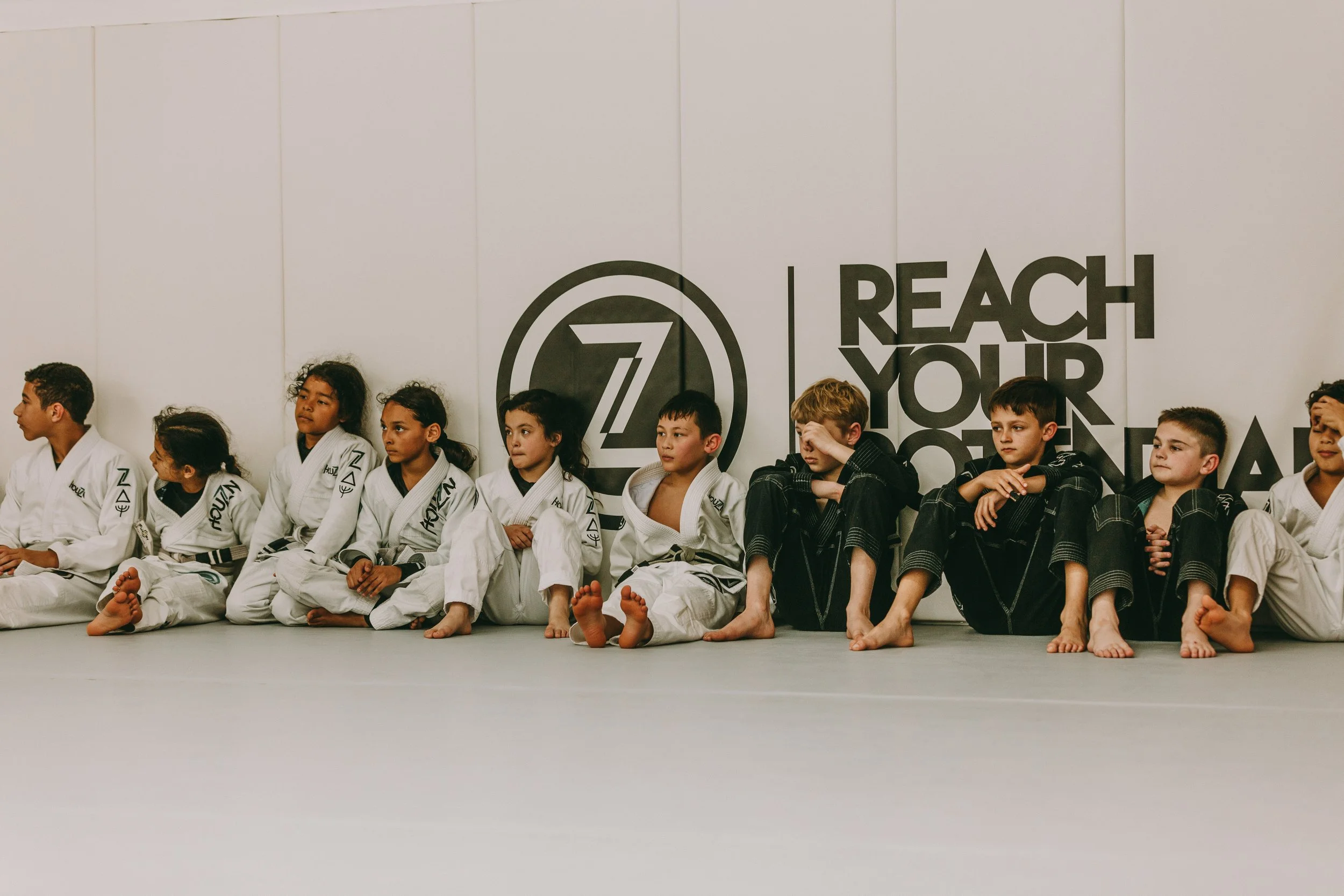
In Jiu Jitsu, a child’s progress often starts with how they move and respond—not with a long list of techniques. They may stand with better posture, keep their balance more often, or notice where their body is in relation to a partner. These details can look small, but they are the foundation for learning safely and effectively.
You may see your child becoming more aware of position. They might recognize when they’re on their back, understand which way to turn during an escape, or remember where their hands and feet should go. They won’t get it right every time. The important change is that familiar situations are beginning to make sense.
Partner behavior is another important measure. A good training partner pays attention, follows directions, uses appropriate effort, and gives the other person room to learn. Children are still learning what control feels like, so coaches guide them closely. When a child starts to move with more care, stop when asked, and adjust their intensity, that is meaningful progress.
You may also notice calmer reactions. A child might pause when a drill feels difficult, listen to a correction without shutting down, or try again after a mistake. This isn’t about expecting a child never to feel frustrated. Jiu Jitsu can be challenging, and frustration is part of learning. The goal is to help them respond to challenges in a way that lets them keep learning.
Finally, watch for more accurate repetition. A child may remember the order of a movement, use a better base, or repeat a technique with less prompting. They may still need reminders, and that’s part of practice. Repeating fundamentals carefully is how the body begins to understand them.
These are durable skills. They support learning on the mat, and they reflect the discipline and personal responsibility we work to build in class.
Why motivation can dip
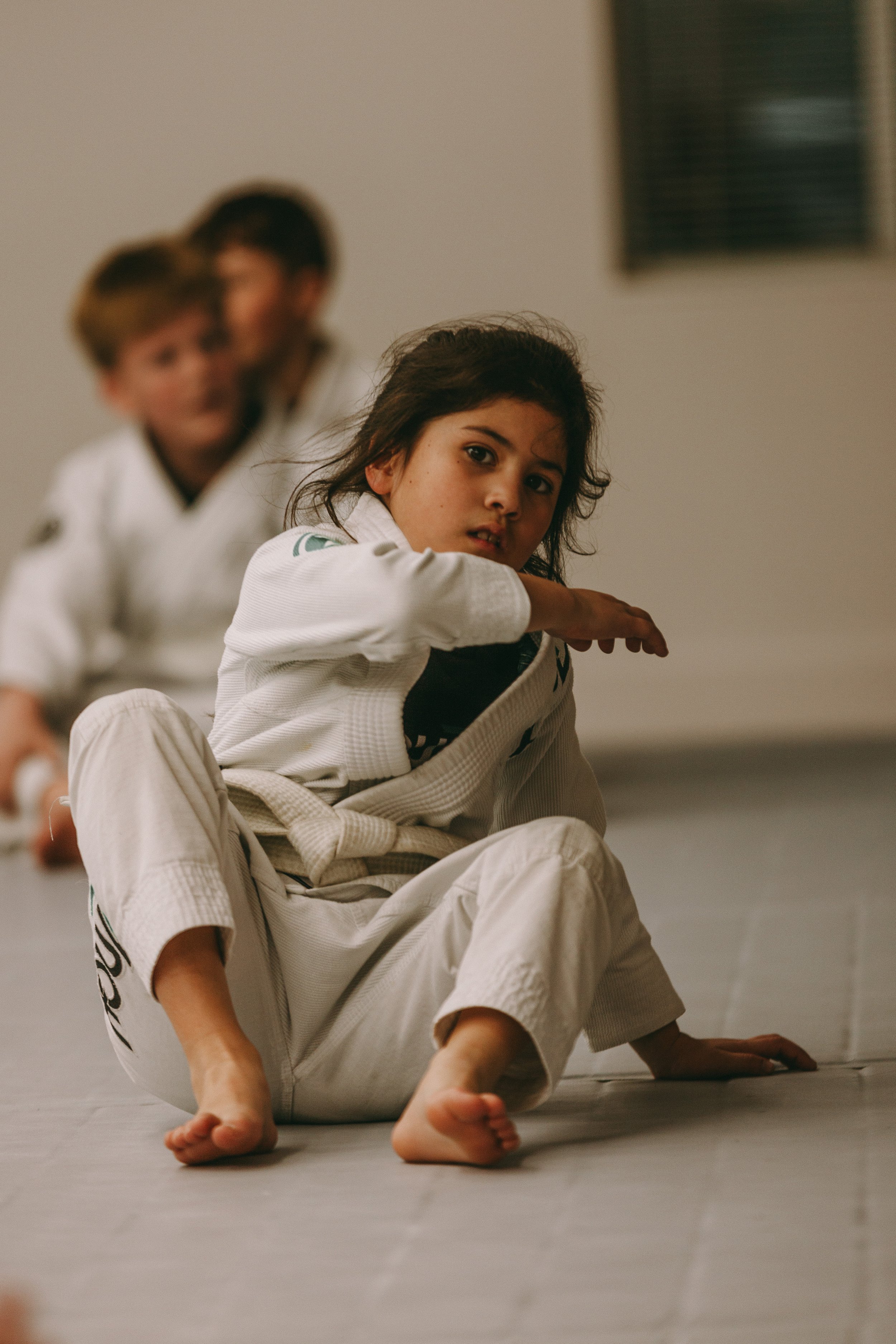
It’s common for a child’s enthusiasm to change after the first few months. At the beginning, everything is new: the mats, the games, the uniform, the other students, and the movements. Once that novelty wears off, practice can feel more like practice.
Children may also start to notice that skill takes time. A technique that seemed easy during the demonstration may be hard to remember with a partner. They might see another student pick something up faster, or feel disappointed when a move doesn’t work right away. That can make a child wonder whether they’re good at Jiu Jitsu.
A dip in motivation doesn’t automatically mean a child should quit, and it doesn’t mean a parent needs to push harder. It may simply be a sign that the child is meeting the ordinary challenges of learning something new. The response that helps most is usually a calm one: maintain a predictable routine, notice effort, and give the child a goal they can understand.
It’s also worth checking in. A child may be tired, unsure about a partner, or confused about what they’re expected to do. They might be ready for a new challenge, or they may need more time with the basics. A short conversation with the coach can help you understand what is happening in class and choose an appropriate next step.
Choose a goal a child can work toward
A useful goal is specific, realistic, and within the child’s control. “Get better at Jiu Jitsu” is hard for a child to act on. “Remember the three positions we practiced” gives them something clear to work toward.
Depending on a child’s age and experience, a goal might be attending a consistent number of classes each week, learning to name three core positions, or practicing one escape with attention to the details. For another child, the next step may be following the class routine more independently or showing safe intensity during an age-appropriate sparring round.
Some goals are about being a teammate. A child could focus on listening to their partner, stopping when the coach says stop, or encouraging someone who is still learning. Coaches can also recognize a child for a specific action, such as using good control or making a thoughtful adjustment. Recognition works best when it’s sincere and tied to something the child can repeat—not just a reward for winning or being the most advanced.
A goal should fit the child, not a comparison. Two children can be at the same point in the program and need different next steps. One may be ready to connect techniques. Another may benefit most from developing balance and confidence in a familiar position. A coach can help identify a challenge that feels achievable without making class stressful.
How parents can support steady growth
Parents have a strong influence on how children understand progress. After class, it can help to ask what they learned, what felt challenging, or what they would like to practice next. These questions invite a child to reflect without turning every class into a test.
Try to avoid making the first question, “Did you win?” Jiu Jitsu includes live practice, but a child’s development is not measured only by the outcome of a round. A student can lose a position and still make a good decision, stay composed, listen to coaching, and treat a partner well. Those choices matter.
The same care applies to comparisons. Siblings and classmates develop at different rates. Comparing a child to someone who is taller, older, more experienced, or simply more comfortable on the mat can distract from their own progress. Instead, point out a real change you have noticed: “You remembered to make space before you tried that escape,” or “I saw you stop and listen when the coach gave you a correction.”
Consistency also matters. Regular attendance gives children the chance to revisit skills and become familiar with class expectations. Life gets busy, and occasional missed classes are normal. The aim isn’t perfection. It’s a routine your family can sustain.
At Houzn Jiu Jitsu Academy, we teach children that discipline is built through small, repeated choices: showing up, paying attention, practicing with care, and taking responsibility for how they treat others. We don’t expect every child to progress on the same timeline. We want them to learn well, train safely, and take pride in the work they put in.
Keep the next step simple
Around this stage, a child doesn’t need a complicated training plan. They need a clear direction and the support to keep working at it. A small goal can give practice a sense of purpose without adding pressure.
If you want to understand what your child is working on, ask their coach what progress they’re seeing and what would be a good next goal. We can help you choose something that fits your child’s age, experience, and personality. Grab your kids coach after class or ask for a conference with the coach. We’ll keep it simple, specific, and motivating.